A trip to Botswana, where water meets the desert
Wild, primeval nature is what strikes you most on a trip to Botswana. The country lies in the heart of Southern Africa, and 75% of it is taken up by the Kalahari Desert and the Makgadikgadi Salt Pans. Spectacular yet arid landscapes make the presence of water even more precious and surprising.
For this reason, one of Botswana’s biggest attractions is the Okavango Delta. What is a river delta doing in a landlocked country? It’s an inland delta, one of the largest in the world: an extraordinary natural phenomenon that sustains a complex and beautiful ecosystem. Lagoons, islands and channels that in the rainy season can cover an area of 16,000 km² before dispersing into the sands of the Kalahari. A paradise-like landscape with incredible biodiversity, protected thanks to the Moremi Game Reserve.
Botswana has 6 game reserves, 6 forest reserves, and 4 national parks: 30% of the country’s territory is covered by protected areas.
Northeast of the delta lies Chobe National Park, home to a wide range of ecosystems including swamps, savannahs, forests, and grasslands. It hosts the largest elephant population in all of Africa, along with many other species.
For those traveling in Botswana, a safari in Chobe National Park or the Okavango Delta is an exhilarating experience. Besides the Big Five, you can encounter herbivores like zebras, giraffes, warthogs, and wildebeest, as well as antelopes and hippos. Their presence attracts predators such as crocodiles, hyenas, cheetahs, and African wild dogs. Birdwatching is also highly recommended, with over 450 bird species to observe. The African fish eagle, southern carmine bee-eater, white-crowned lapwing, and lesser jacana are just a few examples.
In addition, a trip to Botswana allows you to go back in time to the dawn of human life. In the Kalahari Desert, you can still find groups of San people, the oldest population in Southern Africa, who have lived in this region for more than 30,000 years and are considered among the oldest continuous populations in Southern Africa.
Attractions and places of interests

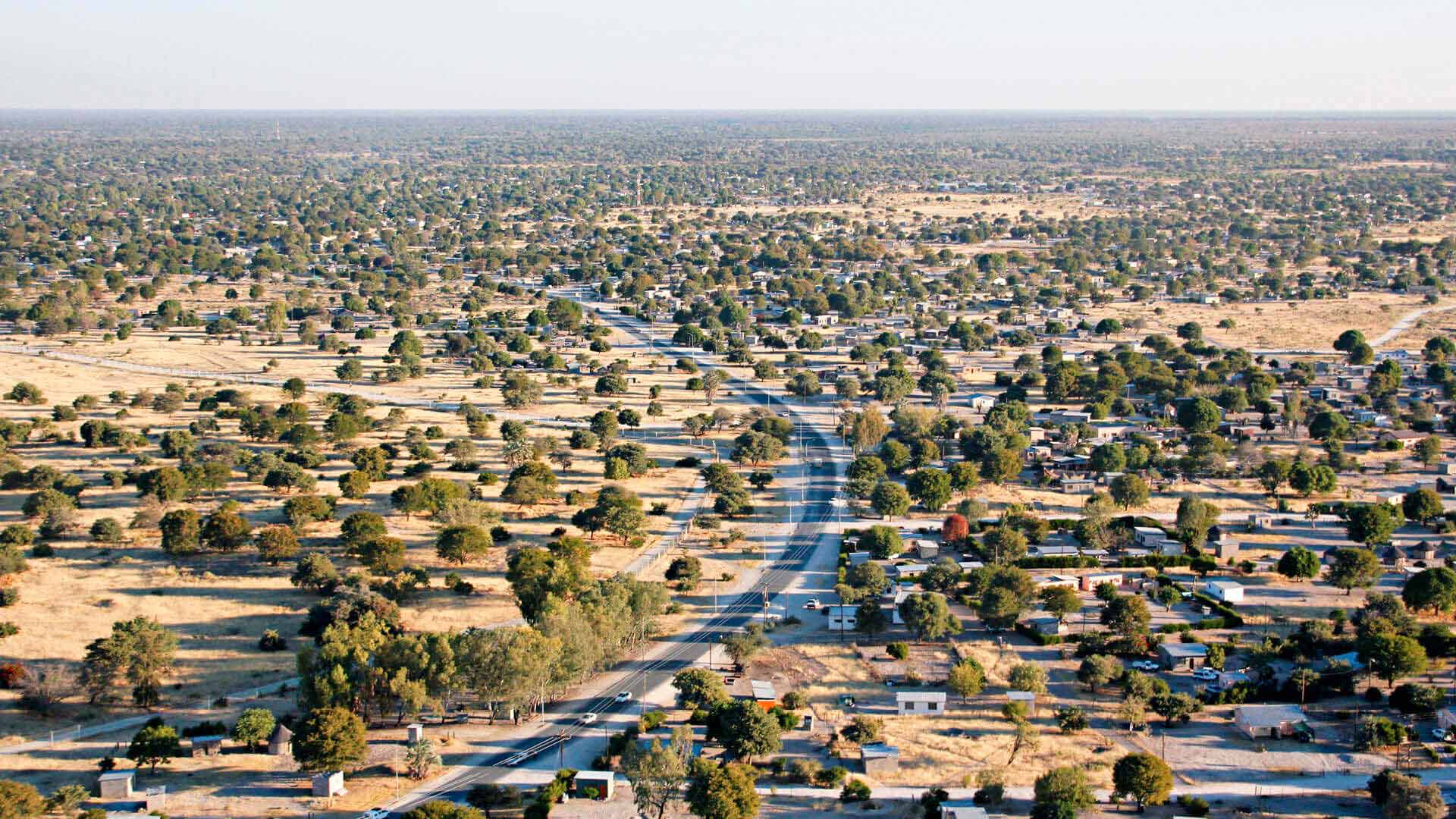

Chobe National Park
Among savannas, forests and lagoons lies the highest concentration of elephants in Africa.
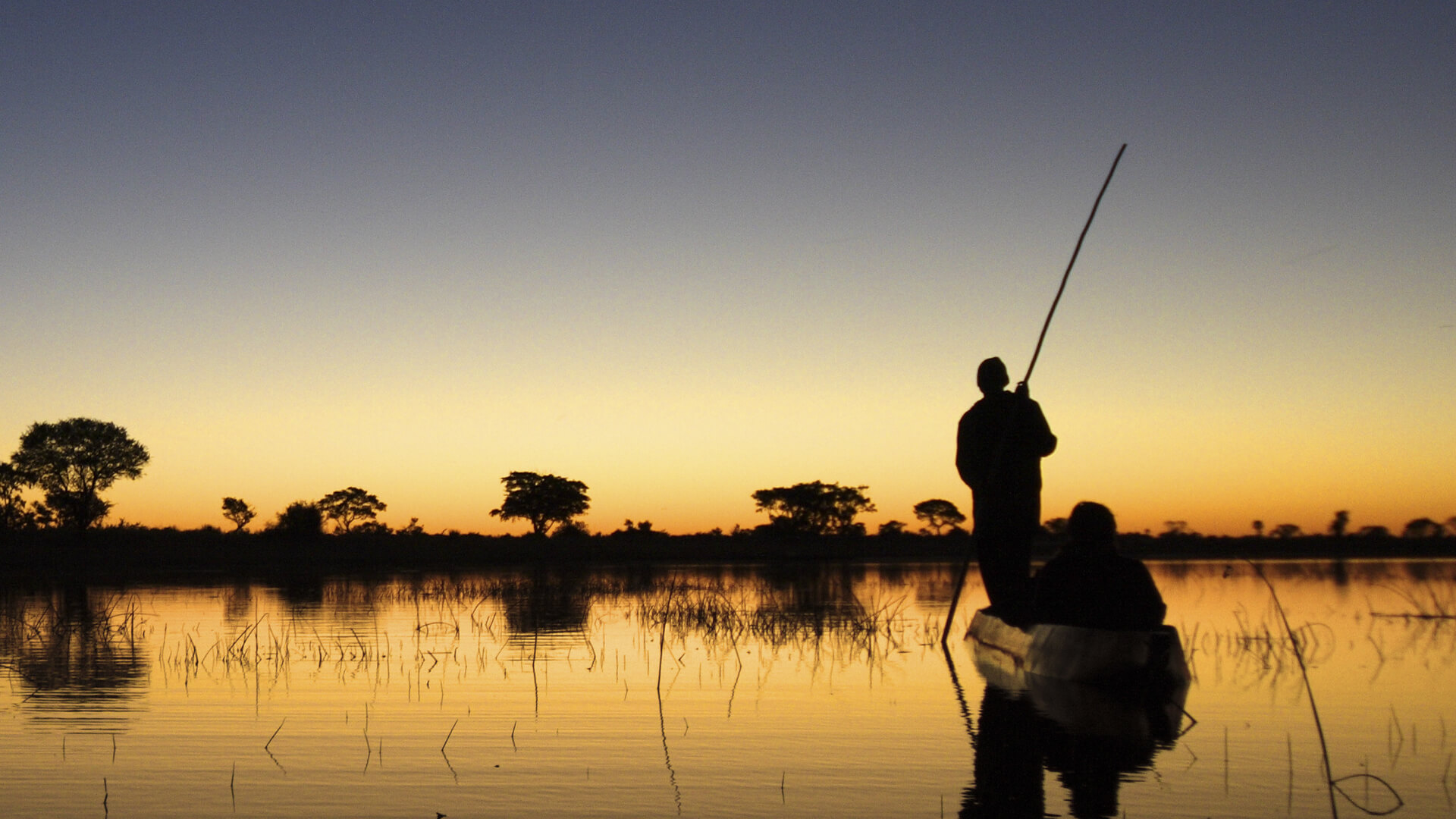
Okavango Delta
A network of channels, islands and lagoons, where the water disperses before disappearing into the desert.