From the ocean to the bush, driving among vineyards and canyons
This itinerary combines two sides of South Africa, diverse and complementary, to be explored in a self-drive experience or optionally accompanied by a guide. The Western Cape region, with Cape Town overlooking the ocean, the Winelands, and the whale coast. And then the north-east of the country, where the plateau descends into the plain and the bush of Kruger National Park begins.
13 days from Cape Town to Kruger National Park
The journey begins in Cape Town: the “Mother City” of South Africa will be your base for the first few days, giving you time to explore it and discover its history and diversity.
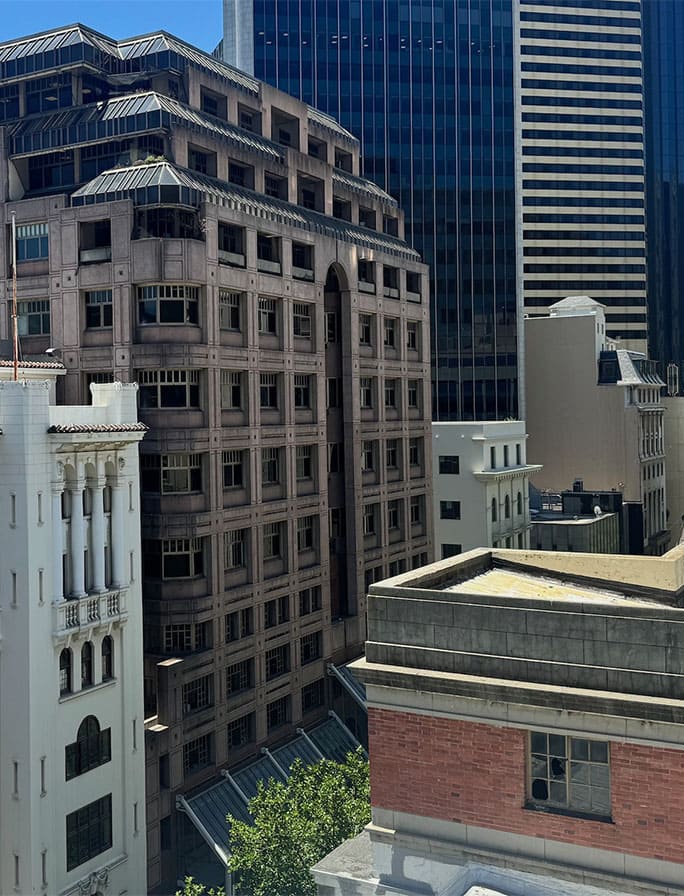
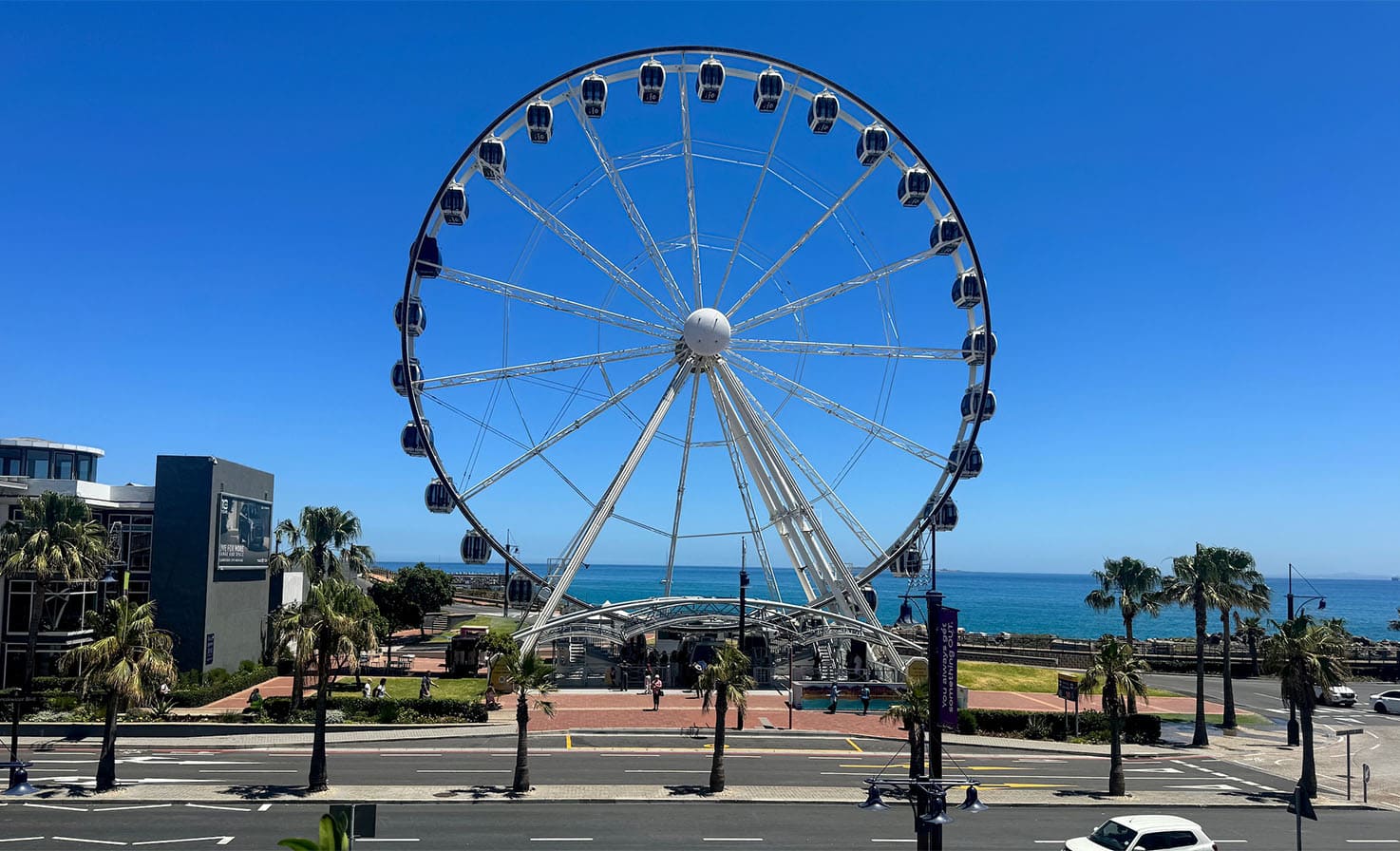
From the historic area of the Waterfront to the urban park of Company Gardens, overlooking the Parliament and numerous museums. Strolling through the city center, you will notice how the city is layered both architecturally and artistically: from the Victorian style of Long Street to the Art Deco buildings of Greenmarket Square, from the exhibition of Flemish paintings to the collections of African jewelry, from the fortification of the Castle of Good Hope to the pastel-colored houses of the Malay Quarter, Bo-Kaap.
Today, Cape Town is a modern, cosmopolitan metropolis that still bears traces and contradictions of a complex history, marked by colonialism and apartheid. For this reason, we recommend visiting Robben Island, the former prison where Nelson Mandela was held for 18 years, now a museum and UNESCO site.
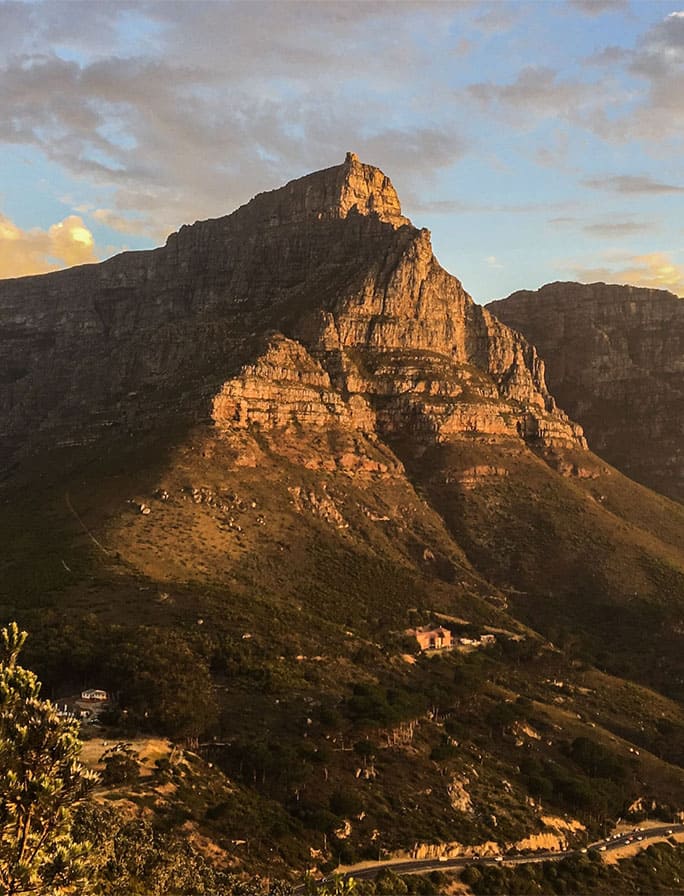
If Cape Town has such a rich and fascinating history, it is thanks to its unique location in the far south-west of the continent, at the foot of Table Mountain. During your stay in the city, you will have a rental car to visit not only the surroundings of the city but the entire surrounding region.
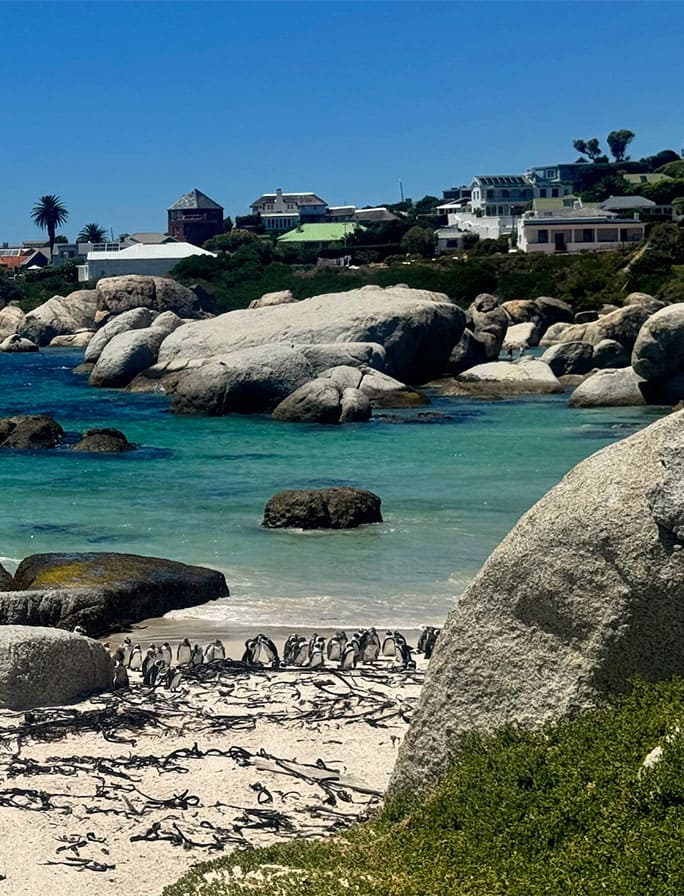
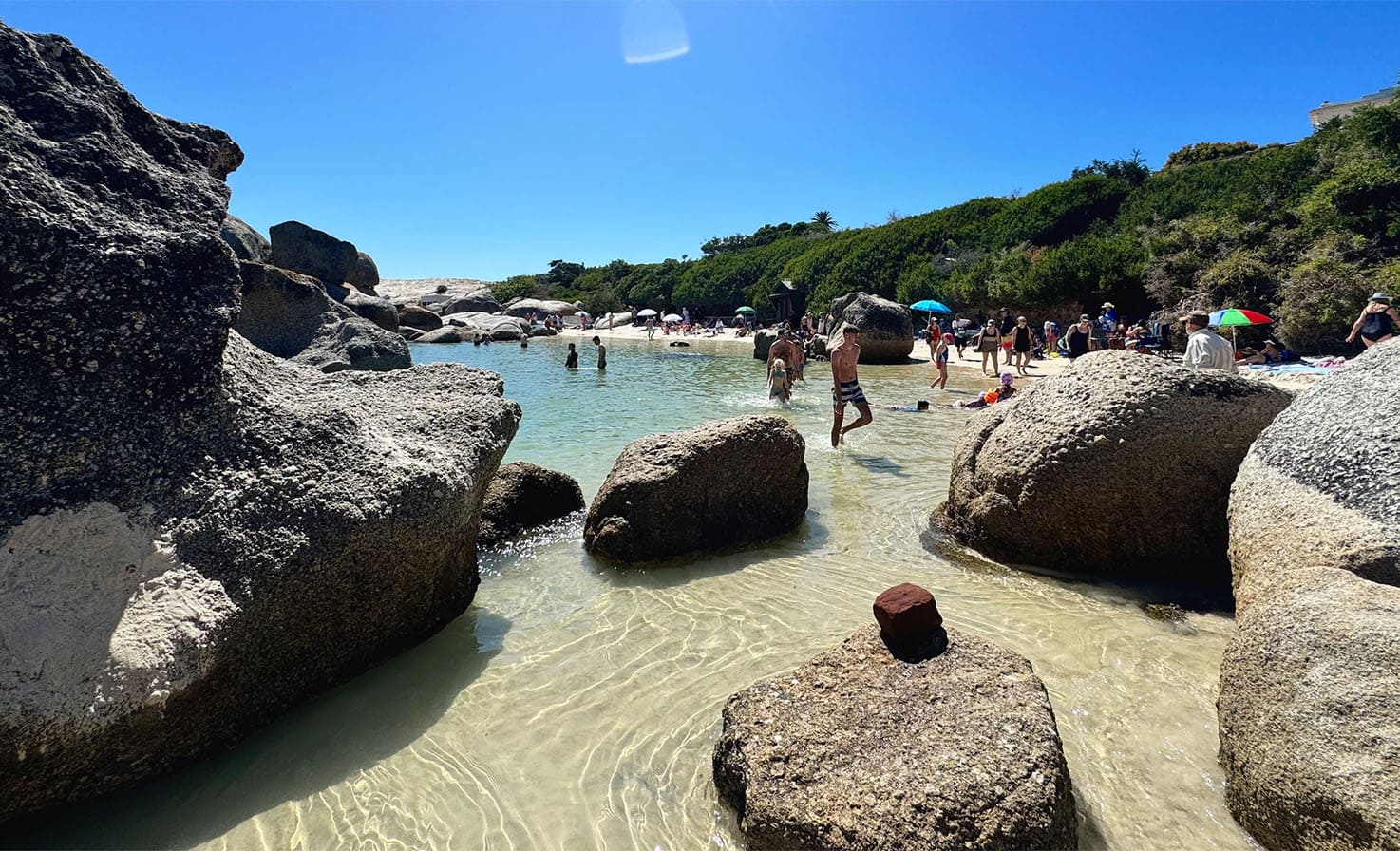
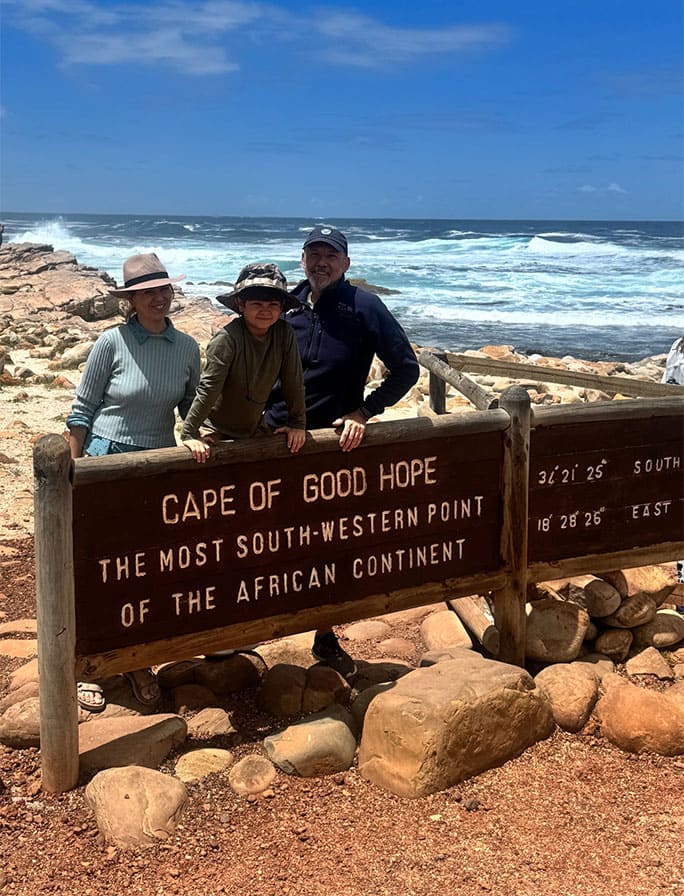
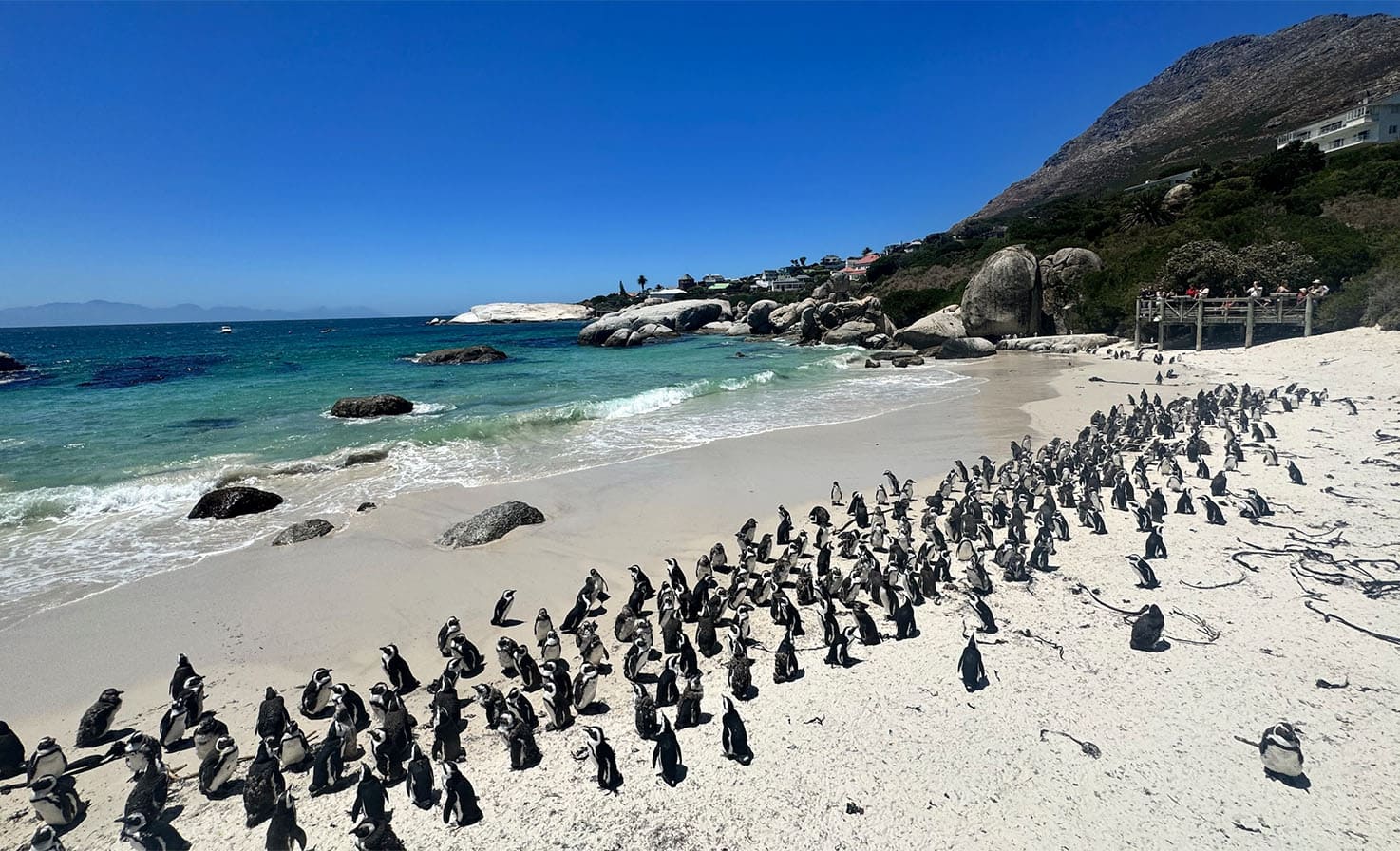
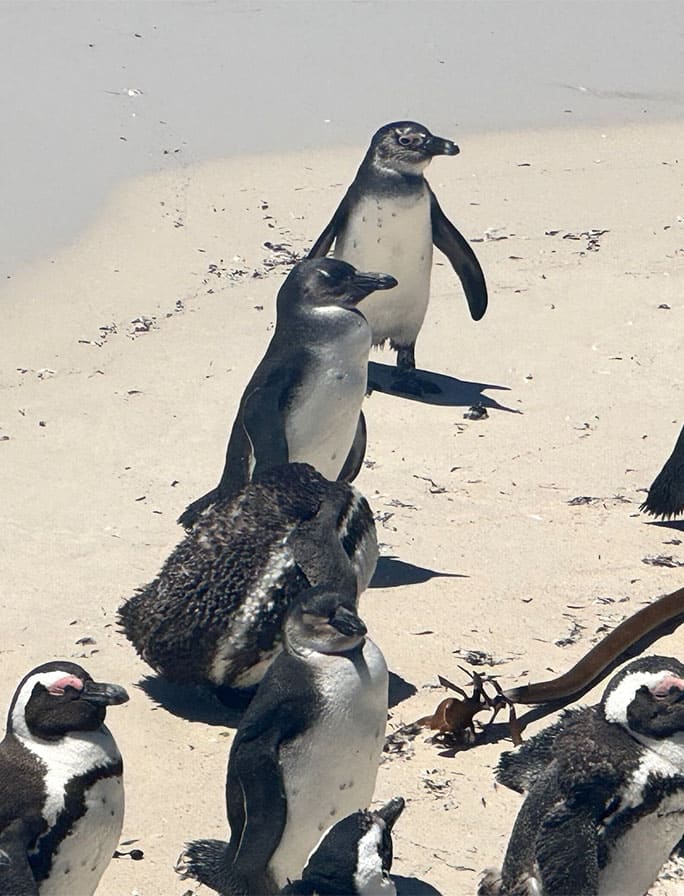
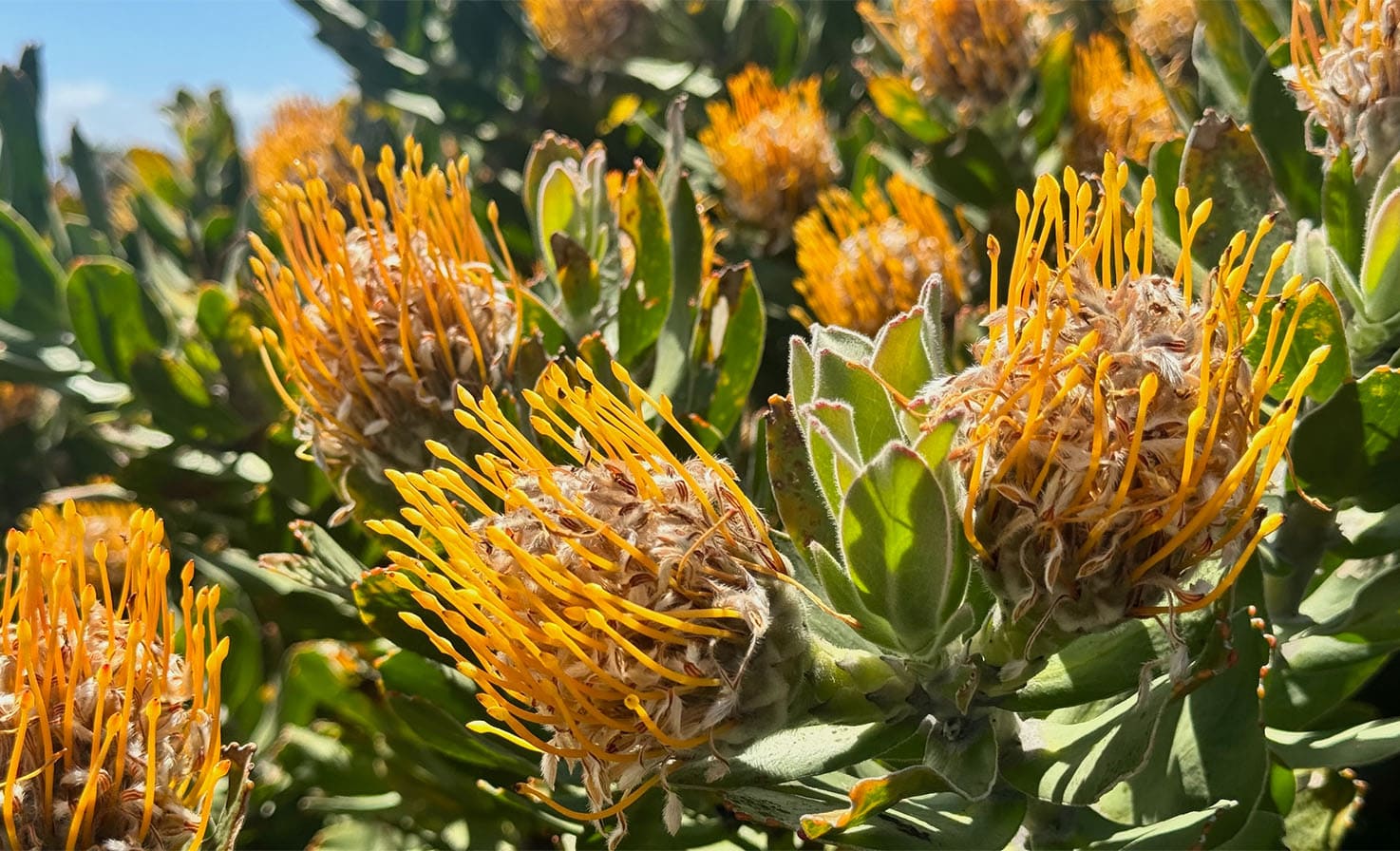
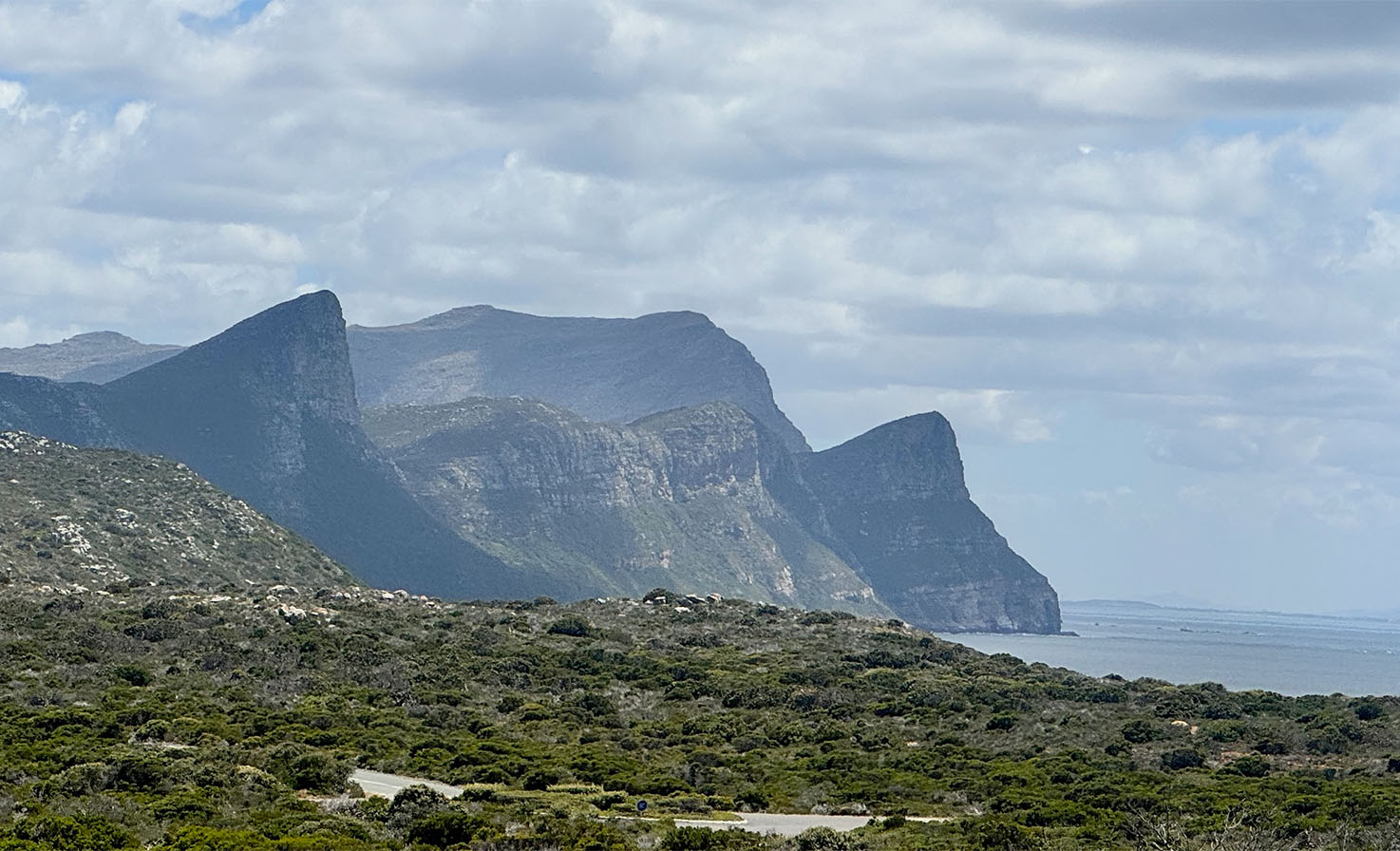
From the spectacular beach of Camps Bay, at the foot of the rocky peaks of the Twelve Apostles, to the Cape Peninsula, where you can see the African penguin colony at Boulders Beach and the wildlife of the Cape of Good Hope Nature Reserve: ostriches, zebras, and antelopes living in the fynbos, the typical vegetation of the area. Speaking of plants, on the south-eastern slopes of Table Mountain, you can visit the Kirstenbosch National Botanical Garden, one of the most famous botanical gardens in the world.
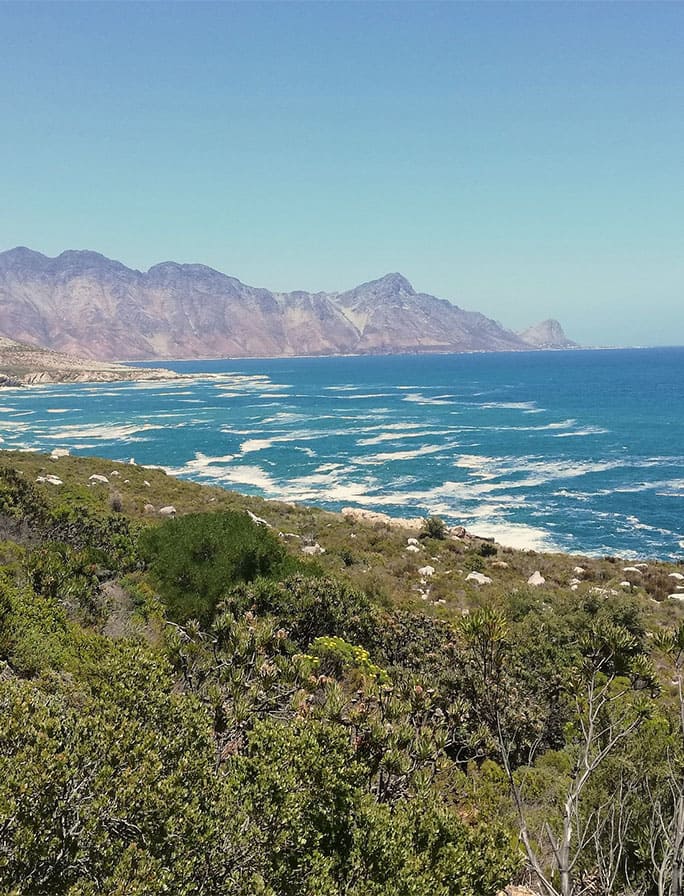
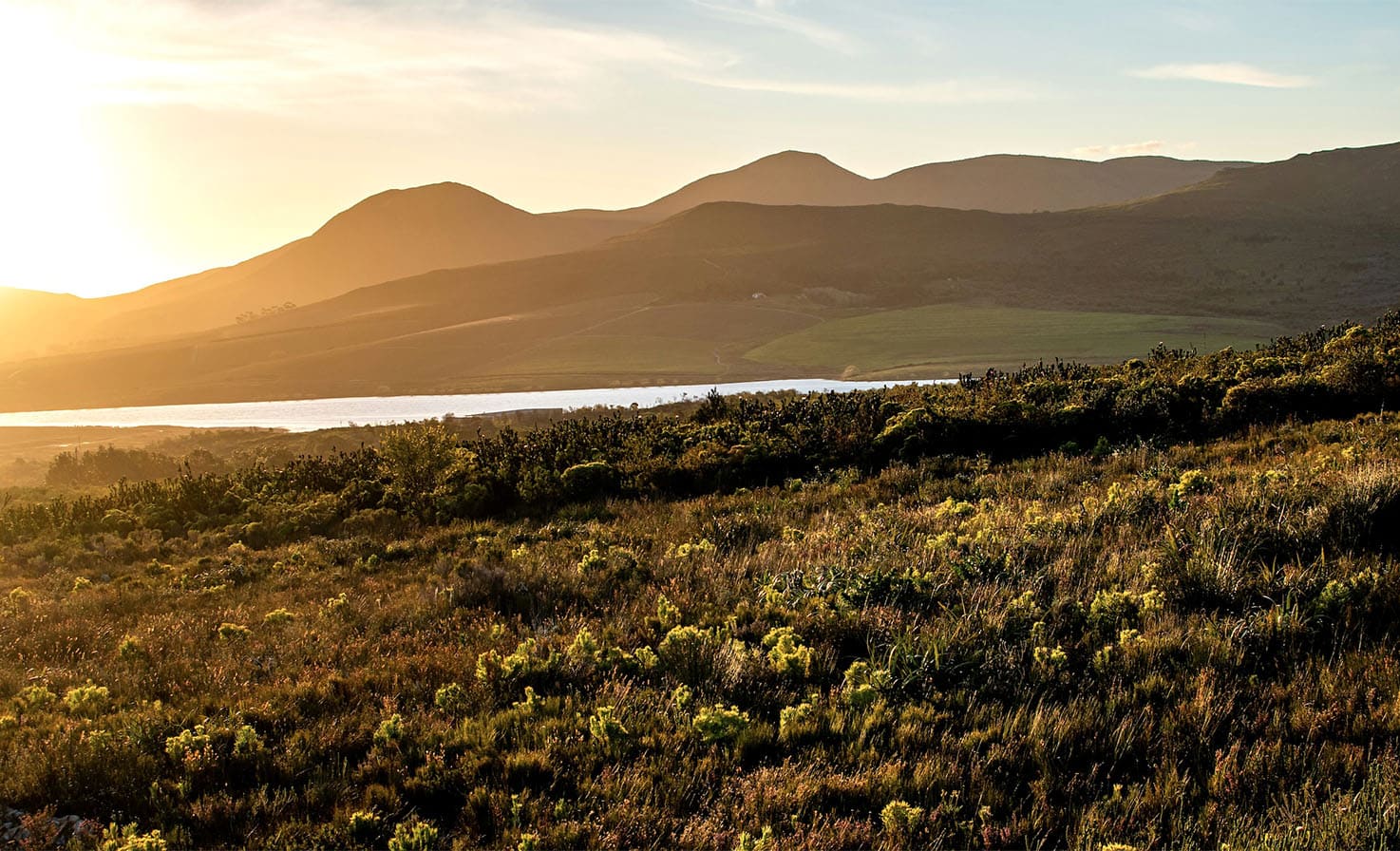
The coastal roads of the peninsula offer incredible views, stretching across the entire False Bay and – on the other side of the headland – out to the open ocean. A completely different landscape awaits in the Winelands: about an hour from the city lie vineyard-covered valleys set among hills and mountains, historic towns – like Stellenbosch and Franschhoek – and historic wineries offering local product tastings.
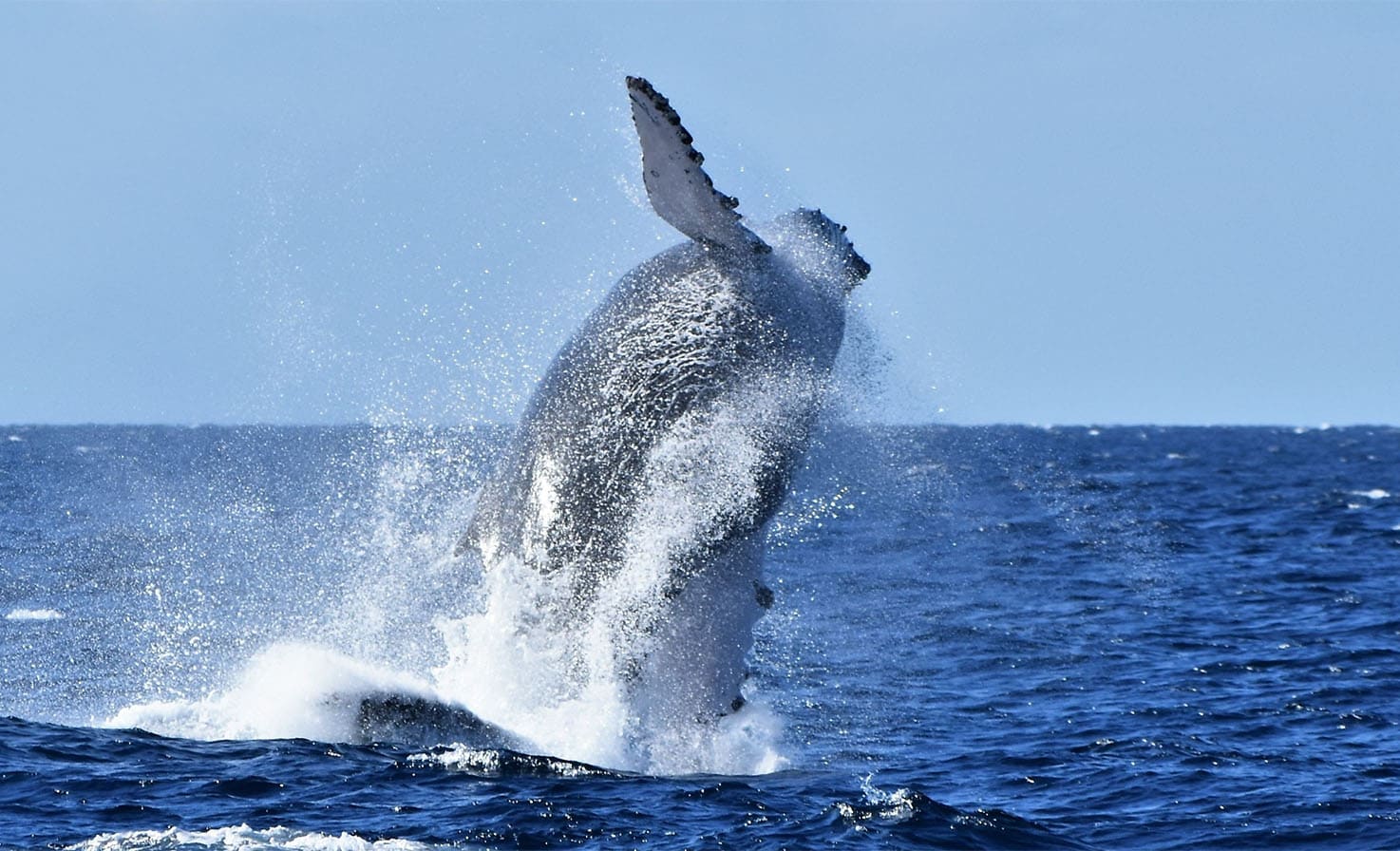
Leaving Cape Town, you will head to the Overberg, one of the best areas in the world for whale watching. The road along the Whale Coast will take you first to the town of Hermanus, famous for its whale crier who signals the presence of whales, and then on to the village of Gansbaai. From here, you can join a boat excursion to observe the cetaceans.
Then, it will be time to bid farewell to the coastal landscapes and take a domestic flight to the north-east of the country. Upon arrival, you can drive again with a rental car, though keep in mind that every leg of the journey can also be handled with organized transfers or a private driver.
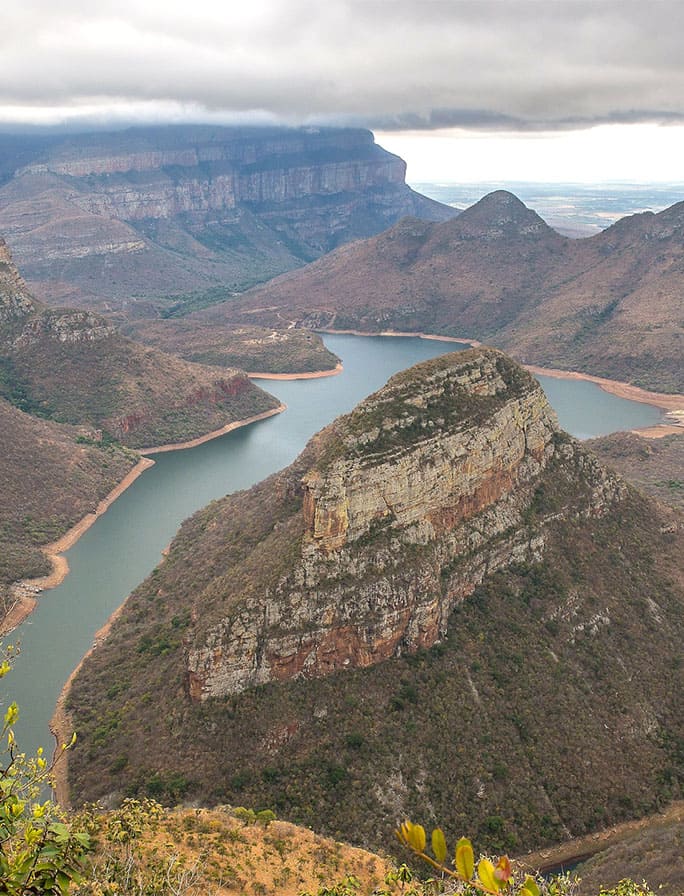
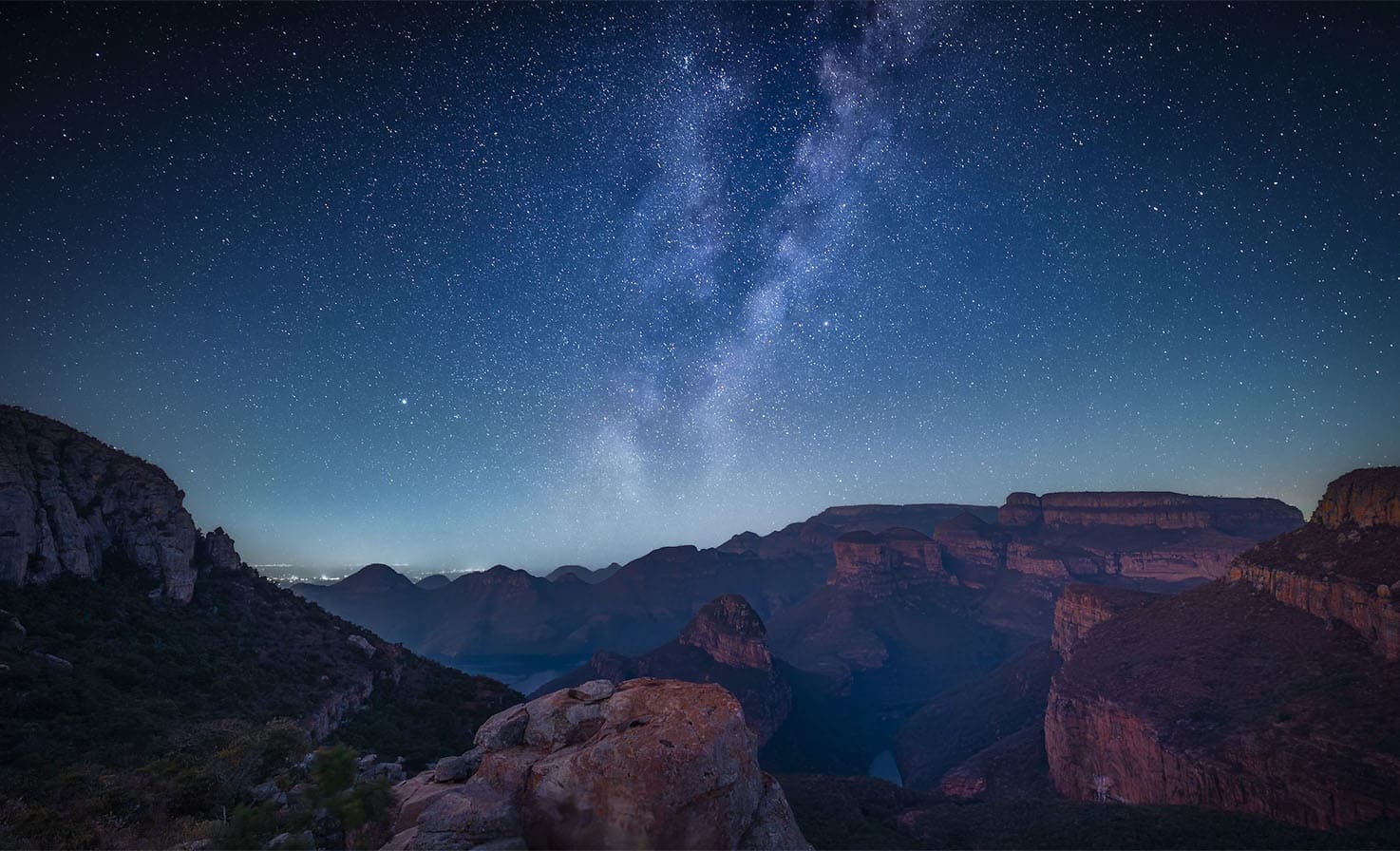
In the Mpumalanga region, which seamlessly alternates valleys and mountains with impressive elevation changes, you will visit the Blyde River Canyon, one of the largest on the continent.
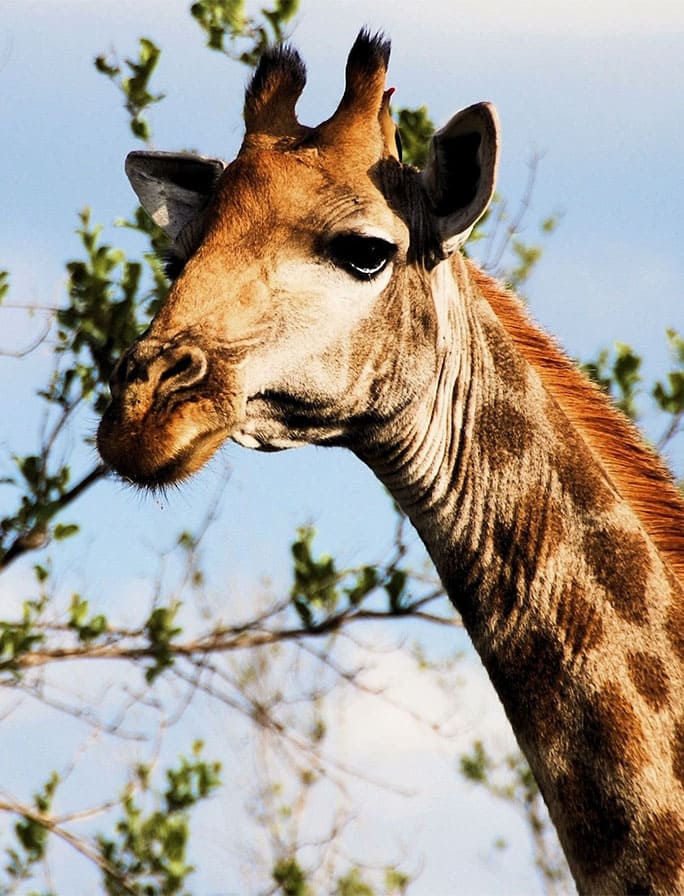
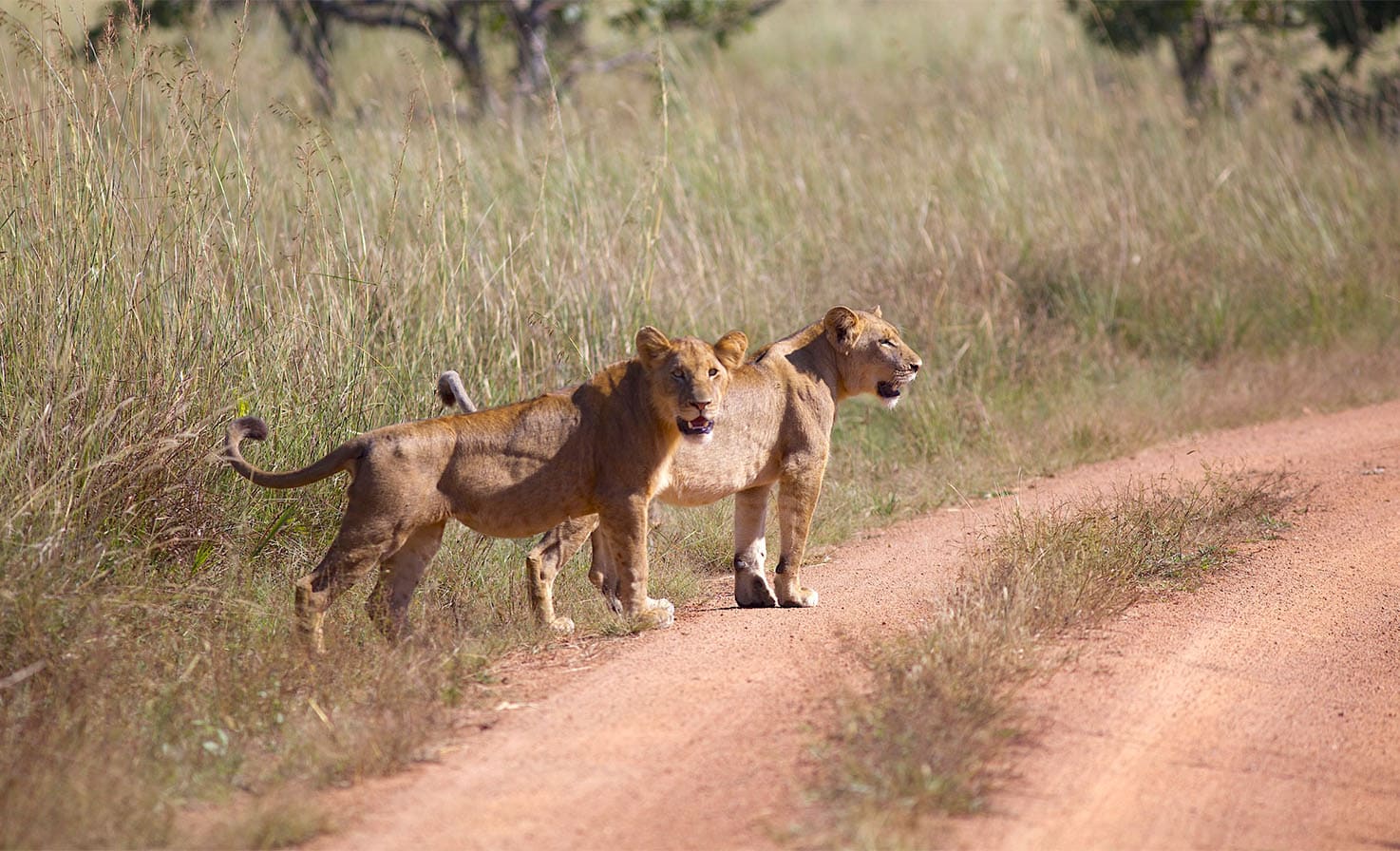
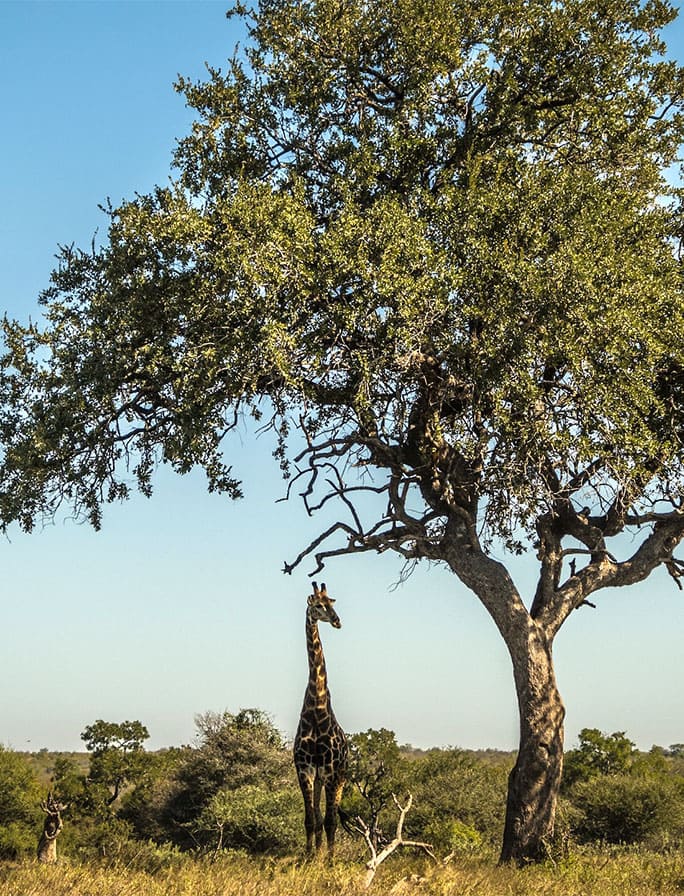
Finally, you will head to the final stop of this South African journey: Kruger National Park, the country’s oldest and largest, featuring around 22,000 km² of savanna and bushland, home to over 500 bird species and 147 mammal species, including the big five. Accompanied by rangers, you will head out in 4×4 vehicles to experience sunrise and sunset safaris and observe wildlife in its natural habitat.
If you wish, we can complete the itinerary with a beach extension in Mozambique, in the natural sanctuary of Vilanculos, to discover the Bazaruto Archipelago.
Travel details
Best time to travel
We recommend the period from July/August to October/November, when whales are most abundant along the Overberg coast, but the itinerary is available year-round.
Duration
13 full days, excluding round-trip flights. Extensions available.
Price
The participation fee may vary depending on the number of participants, season, and travel option chosen. A reduced rate is available for children. Contact us for full details.
Attractions
Tailor your Africa journey
You can add extra stops to one of our itineraries or ask us to create a completely tailor-made journey. We will be delighted to help you plan your ideal trip.
Travel Area
Included activities
Safari game drives in 4×4
Discover more: Safari game drives in 4×4
Night safari
Discover more: Night safari
City tours
Discover more: City tours
Cultural tour
Discover more: Cultural tour
Local shopping
Discover more: Local shopping
Ocean safari
Discover more: Ocean safari
Optional activities
Boat safari
Discover more: Boat safari
Walking safari
Discover more: Walking safari
Yoga classes
Discover more: Yoga classes
Spa experience
Discover more: Spa experience
Canoe excursions
Discover more: Canoe excursions
Boat trips
Discover more: Boat trips
Snorkeling
Discover more: Snorkeling
Scuba diving
Discover more: Scuba diving
Trekking
Discover more: Trekking
Hiking
Discover more: Hiking
Helicopter Flight
Discover more: Helicopter Flight
Bungee jumping
Discover more: Bungee jumping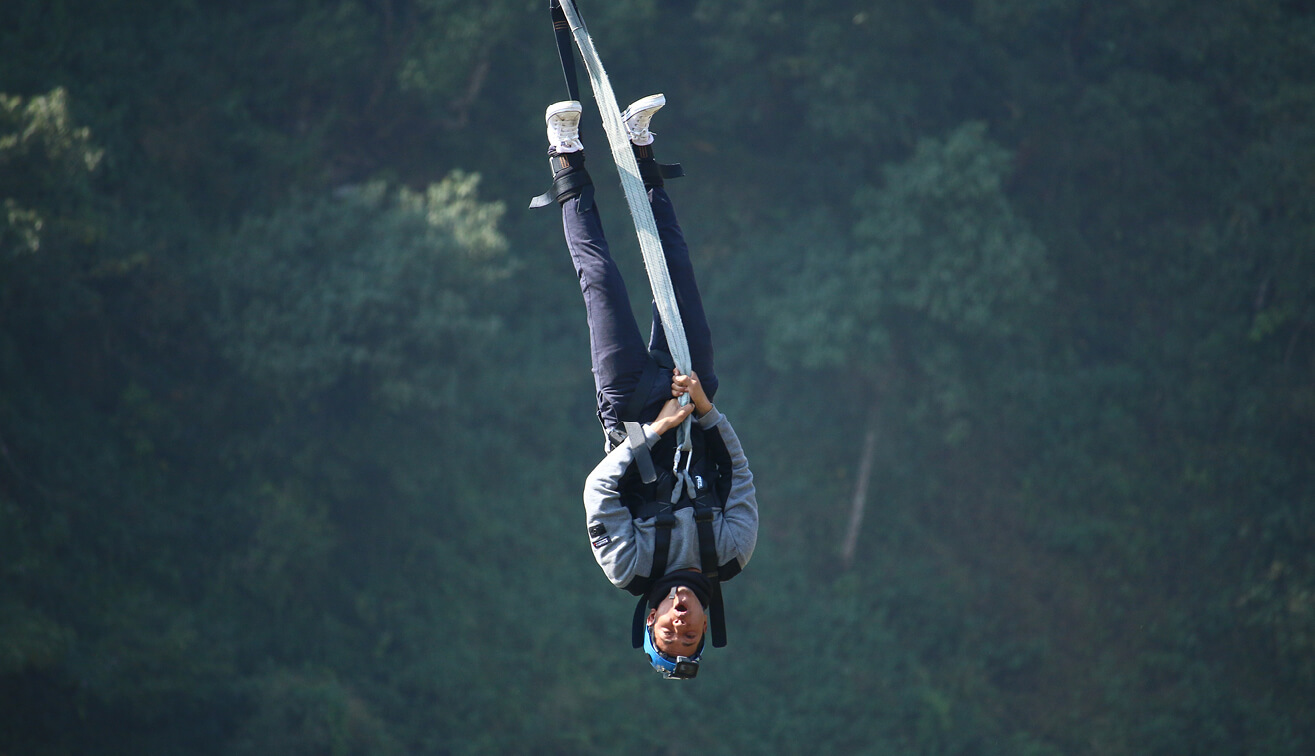
Additional information
Things to know
Entry requirements
To enter South Africa, you need a passport with a few blank pages and – depending on your country of origin – you may require a visa. Since documentation rules change periodically, contact us for updated information.
Driving
In South Africa, driving is on the left side. In addition to your national driver’s license, we recommend bringing an international driving permit, to be requested in your home country prior to departure. Outside urban areas, it is best to avoid driving after sunset.
Food and drinks
Local cuisine
South African cuisine is varied and flavorful, with dishes such as biltong (cured, seasoned meat), bobotie (spiced minced meat baked with an egg-based topping), and boerewors (farmer’s sausage). The barbecue tradition, known as «braai», is deeply cherished. Beverages include rooibos tea, craft beers, and South African wines.
Hygiene and safety
The accommodations and dining options we select maintain excellent hygiene standards; however, for extra safety, we recommend:
- drinking water and beverages from sealed containers or provided by the lodge,
- brushing teeth with water from sealed bottles or provided by the lodge,
- avoiding adding ice to beverages,
- avoiding uncooked vegetables and raw seafood.
Currency and payments
Local currency: South African Rand
In the accommodations where you stay, Visa, Mastercard, and other major credit card networks are widely accepted. However, in markets and rural villages, electronic payments are often limited, as is the availability of ATM cash withdrawals. For more details, you can consult the travel preparation information.
Health situation
Unless arriving from a yellow fever risk zone, there are no mandatory vaccination requirements. Kruger National Park falls within a seasonal malaria risk area, whereas in Cape Town and along the Whale Coast, the risk is minimal to non-existent. To learn how to protect yourself against malaria, you can find more detailed information in our travel preparation tips and on official travel advisory websites.
What to bring
Luggage
Try to keep luggage to a minimum; we recommend capping the weight at 16-18 kg maximum. Opt for a soft duffel bag rather than a hard or semi-rigid suitcase.
Clothing
You will need comfortable and breathable clothing suitable for layering, as temperatures vary between the coast, the plateau, and the bush. Include warm layers for evenings and early morning safaris, a waterproof jacket, and a down jacket depending on the season. Comfortable walking shoes (preferably hiking shoes) and a swimsuit are also recommended.
Equipment
Don’t forget to pack sunglasses, sunscreen, a hat, a water bottle, and binoculars. Remember your travel documents for entering South Africa and your driver’s license, along with a copy of your passport.
Medications
We won’t encounter pharmacies along the route except in major cities. Therefore, it is best to bring a small supply of essential medications.
In our travel preparation info, you’ll find a detailed checklist of recommended clothing, accessories, equipment, and medical items.
Price information
The fee includes
- transfer from Cape Town Airport to the first accommodation
- car rental with unlimited mileage and super cover insurance for the entire stay in Cape Town and, following the domestic flight, from Hoedspruit to Johannesburg
- all overnight stays per program, in double rooms with breakfast; full board in Kruger
- 4 game drives in Kruger with a ranger in a 4×4 vehicle
- 1% Community levy
- taxes
The fee does not include
- international flights and domestic flight Cape Town-Hoedspruit
- travel insurance (cancellation, baggage, mandatory medical insurance)
- fuel
- car rental contract fees and security deposit (amount held as guarantee by the rental company and refunded upon car return)
- drop-off fee for returning the vehicle to a different location from pickup
- speeding or parking fines
- road tolls (such as Chapman’s Peak Drive)
- daily entrance fees to museums, galleries, and national parks (Table Mountain National Park, Cape of Good Hope Nature Reserve, Blyde River Canyon, Kruger National Park)
- meals not specified as included
- drinks
- tips and porterage
- optional excursions and extra services not included in the itinerary (such as the whale watching boat tour)
- optional services available at extra cost: additional driver, GPS, hotel car delivery, guide assistance in Cape Town and Johannesburg (plus lunch and admission tickets)
- anything not expressly mentioned under “The fee includes”
Price variations
Park entrance fees and potential levies are subject to change without prior notice.
Please also note that this package is only a suggestion and can be customized according to your preferences.
Therefore, the exact price will be recalculated at the time of booking, taking into account any itinerary changes, selection of different accommodations than proposed, and any rate updates.
Interested in this itinerary?
Complete the form with your enquiry and we will contact you as soon as possible to help plan your next journey.